
IESO Procurements: Ontario Electricity RFPs
IESO procurements award the long-term contracts that underpin new electricity supply in Ontario. This note explains LT1 and the LT2 windows, the new repowering route, long-lead-time and medium-term RFPs, the Indigenous participation and municipal support requirements that decide outcomes, and key contract and deliverability terms.

Key takeaways
- LT2 energy window 1 awarded 20-year contracts to 14 solar and wind projects in April 2026.
- LT2 capacity window 1 awarded 640 MW of battery storage in June 2026.
- Every LT2 energy winner had at least 50% Indigenous equity ownership.
- LT2 window 2 adds repowering for existing facilities, with contract awards targeted for Q1 2028.
- Municipal support and deliverability can screen out a proposal regardless of price.
How IESO procurements work
IESO procurements are the main route to long-term revenue contracts for new and existing electricity supply in Ontario. The Independent Electricity System Operator runs competitive requests for proposals under directives from the Minister of Energy and Mines under the Electricity Act, 1998, offering contracts — usually 20 years for new-build projects — that pay for energy, capacity or both. The current programs are the second Long-Term RFP (LT2), with separate energy and capacity streams and several windows; a Long Lead-Time (LLT) RFP for resources such as hydroelectric facilities; and a third Medium-Term RFP (MT3) for existing resources. Winning depends on price, rated criteria such as Indigenous participation, municipal support and deliverability.
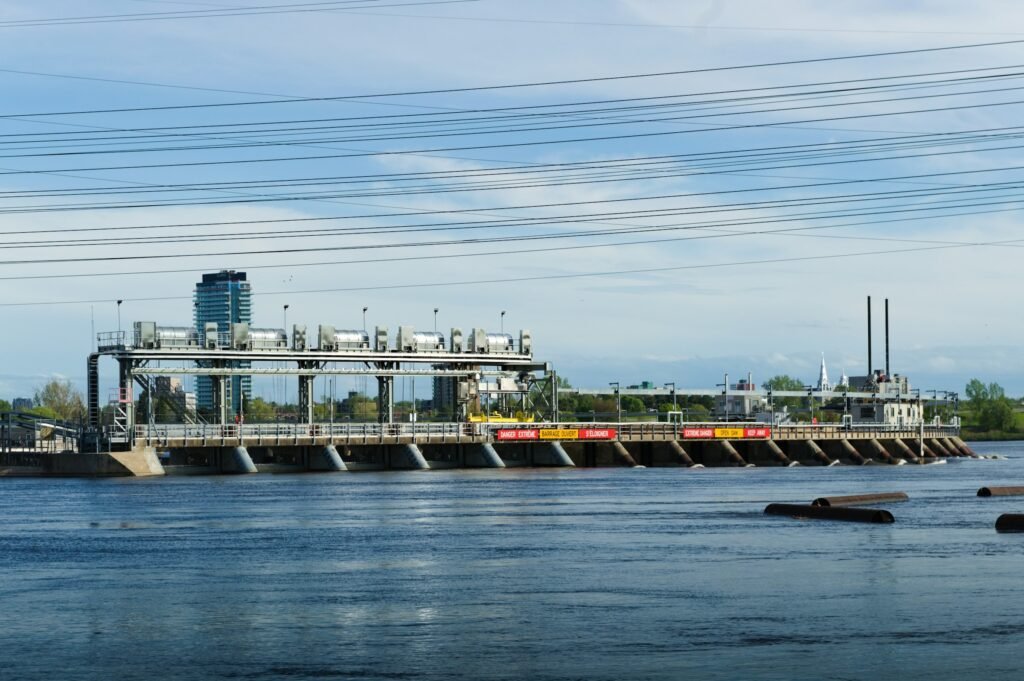
This note covers the LT1 and LT2 windows, repowering and long-lead-time procurements, Indigenous participation and municipal support requirements, contract terms and deliverability. It reflects IESO publications to August 2026; procurement rules change between windows, so the final RFP documents for each window govern.
From LT1 to LT2
The first Long-Term RFP (LT1) and an expedited process before it focused on capacity, procuring battery storage and other resources to meet reliability needs later in the decade. LT2 broadened the scope and is described by the IESO as the largest electricity procurement in Ontario's history, with planned windows running into the 2030s.
| Window | Result or status | Source |
|---|---|---|
| LT2 energy stream, window 1 (LT2(e-1)) | 14 projects (12 solar, 2 wind) offered 20-year contracts in April 2026, expected to supply more than 3 TWh a year; all have at least 50% Indigenous equity ownership; price 21% lower than the last large-scale renewable contracts in Ontario | IESO, April 2026 |
| LT2 capacity stream, window 1 (LT2(c-1)) | Three battery storage projects totalling 640 MW with 20-year contracts, above the window target; price 36% lower than the expedited LT RFP and 16% lower than LT1 | IESO, June 2026 |
| LT2 window 2 | Draft energy RFP and contract posted 14 August 2026; final documents targeted for Q1 2027, proposals Q2/Q3 2027, contract award Q1 2028, milestone commercial operation in 2032 | IESO presentation, 20 August 2026 |
| LLT RFP | Contracts to be awarded no later than May 2027 | Same |
| MT3 RFP | Contract award expected Q3/Q4 2027 | Same |
Repowering and long-lead-time procurements
LT2 window 2 introduces a repowering route for existing generators. According to the IESO's August 2026 presentation, an eligible existing facility must be licensed, operating and registered in IESO-administered markets, and either hold a medium-term contract or have been commissioned by 1 May 2009 with any other IESO contract expiring by 30 April 2032. Repowering can be an upgrade (refurbishing or replacing equipment) or a redevelopment (substantially replacing infrastructure), certified by an independent engineer at commercial operation. Repowering proposals are accepted only if their evaluated price is below the most expensive selected new-build proposal, and up to a repowering cap set by how many existing facilities can be offline at once without compromising reliability.
The LLT RFP addresses resources that take longer to develop, such as hydroelectric generation and long-duration storage, which cannot meet the commercial operation dates of the LT2 windows. Its contract terms and milestone dates are designed around the longer permitting and construction timelines of those resources. Domestic content provisions in the LLT RFP have been used as placeholders for LT2 window 2, pending government decisions.
Indigenous participation in IESO procurements
Indigenous participation is a rated criterion that has proved decisive. In LT2 window 1, Indigenous participation scoring was all-or-nothing at a 50% threshold, and all successful proposals received maximum rated criteria points (13 in northern zones, 11 in southern zones), according to the IESO. In the energy stream, every winning project had at least 50% Indigenous equity ownership.
For developers, this means Indigenous partnership is effectively a condition of competitiveness, not an add-on. Partnership agreements should address equity ownership and how it is financed (often with support from the Ontario and federal Indigenous loan guarantee programs), governance and decision rights, cash distributions, construction and operations opportunities, and what happens if the project is not selected. The IESO's evidence requirements for participation must be met at proposal submission, so agreements need to be signed early. See our notes on Indigenous equity and loan guarantees and impact benefit agreements.
Municipal support and land use
Municipal support is required by government policy under the Minister's directive and applies to all proposals in a municipality, including repowering. In window 1, projects in municipalities submitted Municipal Support Confirmations, typically a council resolution, as part of their proposals. The window 2 schedule was adjusted around Ontario's municipal elections, which affects when councils can consider support requests. The IESO has published a municipal guide for the period after contract award.
Land use rules also matter. Restrictions on development in prime agricultural areas are under review with the government for window 2, and locational rated criteria are still being settled. Developers should secure land rights (leases or options) and engage councils and residents early, and should check provincial land use policy and any agricultural impact assessment requirements.
Start municipal engagement well before the proposal deadline. Councils often require public meetings and staff reports before passing a support resolution, and the timing of council meetings, together with the 2026 municipal election cycle, can decide whether a proposal is eligible at all.
Contract terms and deliverability
IESO contracts for new-build projects in LT2 are typically 20 years. Key terms include:
- Payments: energy contracts pay for expected production at the contract price with market revenue adjustments; capacity contracts pay a monthly capacity amount subject to availability and performance obligations.
- Milestones: a milestone commercial operation date, with completion and performance security, and termination rights if long-stop dates are missed.
- Market protections: for window 2, the IESO kept the day-ahead to real-time adjustment protection but lowered its threshold from 85% to 60%, and signalled that future windows may phase it down.
- Proposal security: forfeited if a selected proponent declines to sign.
- Reporting: quarterly progress reports, now including notice of public events and communications.
Deliverability is the other gate. Ontario's transmission system has limited capacity in some areas, so the IESO publishes deliverability guidance and tests whether proposed projects can connect without overloading the grid; draft guidance for window 2 was due by September 2026 and final guidance by July 2027. Projects in constrained areas may be screened out or face higher connection costs. Interim transmission connection cost provisions from window 1 have been removed for window 2, so developers should model connection costs carefully and engage with Hydro One or the local distributor early.
Financing projects won in IESO procurements
A contract from IESO procurements is the foundation of project financing, but lenders will test it carefully. They review the payment mechanics and how market revenue adjustments and protections affect cash flow, the consequences of curtailment and outages, the milestone and long-stop dates against the construction schedule, and the IESO's termination rights. Lenders also need direct agreements or acknowledgements allowing them to step in on default, and they will check that the contract can be assigned by way of security.
The partnership structure matters too. Where an Indigenous partner holds 50% or more of the equity, its share is often financed with a loan guaranteed under provincial or federal programs, and the lenders to the project and to the partner must coordinate security, distributions and default remedies. Federal investment tax credits can be monetized during construction, subject to eligibility of each partner and labour requirement compliance.
Capacity, storage and gas in IESO procurements
The capacity side of IESO procurements has been dominated by battery storage, as LT2 capacity window 1 showed, while earlier procurements also included natural gas generation and expansions of existing facilities to meet reliability needs. Capacity contracts focus on availability: resources must be ready to respond when the system needs them and face deductions for poor performance. Storage developers should model degradation, augmentation obligations and charging costs in the real-time and day-ahead markets, and confirm how the contract treats state of charge requirements.
Gas-fired capacity faces additional questions: emissions under Ontario's Emissions Performance Standards, possible future federal rules on electricity emissions, and community concerns. Proponents should consider how the contract allocates the cost of carbon pricing and other change-in-law events over its term.
Contract management after award
Winning is only the beginning. Contract holders must deliver quarterly progress reports, meet milestones, maintain security and give notice of changes in control. Amendments may be needed if a project's design, size or connection point changes, and the IESO's consent is usually required. Disputes under IESO contracts follow the dispute resolution process set out in the contract, so contract holders should know its notice periods and escalation steps. Keeping a disciplined compliance calendar and early communication with the IESO reduces the risk of default notices and lost security. Owners selling or refinancing contracted projects should also check whether the buyer or new lender needs the consent of the IESO before closing.
IESO procurements also interact with private offtake. Some developers combine an IESO contract for part of a project's output with corporate power purchase agreements for the rest, or pursue merchant or corporate-contracted projects outside the procurement. Contract terms on exclusivity, metering and environmental attributes determine whether such combinations are possible; see our note on corporate PPAs. Ownership of renewable energy certificates and other attributes should be confirmed before marketing them to corporate buyers.
Competing in IESO procurements: a checklist
- Track the Minister's directives and draft RFP documents, and participate in IESO engagement.
- Secure land, interconnection studies and deliverability analysis early.
- Form Indigenous partnerships that meet the participation threshold, with financing in place.
- Obtain municipal support resolutions on council timelines.
- Price with realistic connection, supply chain and financing costs, and with the federal clean technology or clean electricity ITC where available; see our note on clean economy ITCs.
- Review the contract's milestone, security and termination provisions with lenders before bidding.
Illustration: a developer and a First Nation form a 51/49 partnership, with the Nation as majority owner, to bid a 150 MW solar project in southwestern Ontario into LT2 window 2. They secure option agreements over non-prime agricultural land, a council support resolution after public meetings, and a deliverability assessment for their target circuit, and arrange loan guarantee financing for the Nation's equity before the proposal deadline.
How TRW & Co helps
We advise developers, Indigenous partners, investors and lenders on IESO procurements. We review RFP documents and contracts, structure partnerships and Indigenous equity, prepare land and municipal support strategies, and support financing after contract award. We work with technical and interconnection advisers and with Canadian-licensed counsel where regulatory filings require it. This work connects with our power and renewables and project finance practices and our notes on wind and solar development and corporate PPAs. To discuss a bid, contact us.
Frequently asked questions
What are the current IESO procurements?
The second Long-Term RFP (LT2) with energy and capacity streams in several windows, the Long Lead-Time RFP for resources such as hydroelectric generation, and the third Medium-Term RFP for existing resources. LT2 window 1 results were announced in April and June 2026, and window 2 contract awards are targeted for Q1 2028.
How important is Indigenous participation in IESO procurements?
Very. In LT2 window 1, Indigenous participation was scored all-or-nothing at a 50% threshold, every successful proposal received maximum rated points, and all 14 energy stream winners had at least 50% Indigenous equity ownership.
Do IESO bids need municipal support?
Yes, for projects located in a municipality. Government policy under the Minister's directive requires municipal support, usually evidenced by a council resolution, and it applies to new-build and repowering proposals. Council timing, including the municipal election cycle, should be built into the bid schedule.
Can existing generators bid into LT2?
From window 2, eligible existing facilities can submit repowering proposals for upgrades or redevelopment. They must meet eligibility conditions on licensing, existing contracts and commissioning dates, and are accepted only if priced below the most expensive selected new-build proposal and within a repowering cap.
Sources
General information only, not legal advice. References to statutes, courts and authorities describe published law and practice at the date shown.
 Energy, Mining & Environment
Hydrogen Projects: Canada's Legal Framework
Hydrogen projects in Canada depend on a refundable federal tax credit tied to carbon intensity, provincial permitting and long-term offtake. This note explains the Clean Hydrogen… 8 min read
 Energy, Mining & Environment
Clean Technology, Clean Electricity and Hydrogen ITCs Compared
Canada's clean technology ITCs reward investment in low-carbon property, but they differ in rates, eligible taxpayers and conditions. This note compares the Clean Technology ITC (30%),… 8 min read
 Energy, Mining & Environment
Carbon Offset Credits in Canada: Federal and Provincial Markets
Carbon offset credits let compliance buyers and voluntary purchasers pay for verified reductions outside their own operations. This note explains the federal offset system and its… 8 min read