
Ending Federal Strikes: Section 107 Referrals and Back-to-Work Laws
Federal labour disputes in rail, ports and postal services can disrupt supply chains across Canada. Governments have long ended such disputes with special back to work laws. More recently, the Minister of Labour has used s. 107 of the Canada Labour Code to refer disputes to the Canada Industrial Relations Board, which can order a return to work and binding arbitration. Both routes operate against the backdrop of the Charter right to strike.

Key takeaways
- Parliament can pass back to work laws that end a strike and impose arbitration.
- Section 107 lets the Minister refer questions to the CIRB to maintain or secure industrial peace.
- Recent s. 107 referrals in rail, port and postal disputes led to orders ending stoppages and imposing arbitration.
- The Charter protects a right to strike as part of collective bargaining (SFL, 2015 SCC 4).
- Since 20 June 2025, federally regulated employers cannot use replacement workers during a lawful strike or lockout.
- Shippers and customers should plan contractually for federal labour disruptions.
Why back to work laws matter to business
Back to work laws are one of the most consequential tools in Canadian labour relations. Federally regulated industries, including railways, ports, airlines, interprovincial trucking, telecommunications and the postal service, are governed by Part I of the Canada Labour Code. Unionized employees in those industries can lawfully strike, and employers can lock out, once the bargaining process has been exhausted. Because a national rail or port stoppage can halt trade, the federal government has frequently intervened, either through special back to work laws passed by Parliament or, recently, through ministerial referrals under s. 107 of the Code.
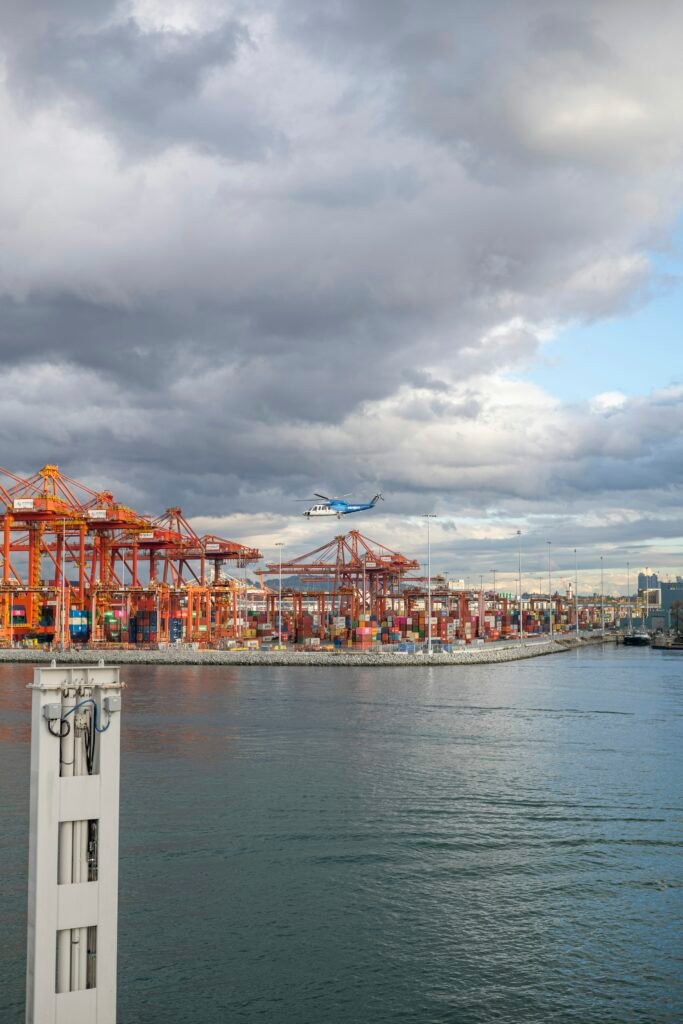
For shippers, importers, exporters and customers of federally regulated businesses, the key questions are how long a stoppage will last, how the government is likely to intervene, and what contractual protections apply.
The federal bargaining process
Before a lawful strike or lockout, the parties must bargain in good faith, and either may notify the Minister of a dispute. The Minister may appoint a conciliation officer or conciliation board, and after the conciliation period ends and a cooling-off period passes, the parties acquire the right to strike or lock out upon giving 72 hours' notice. During a stoppage, the Code requires the parties to continue providing services needed to prevent an immediate and serious danger to public safety or health, as determined by agreement or by the CIRB under the maintenance of activities provisions.
Special back to work laws
Parliament has repeatedly passed special legislation ending federal strikes or lockouts, including in rail, ports and postal disputes. Such back to work laws typically order the resumption of operations, extend the expired collective agreement, and refer outstanding issues to an arbitrator or mediator-arbitrator, sometimes with guiding principles. Because they require passage through both Houses of Parliament, they take days or weeks, and they are politically visible. They can also be challenged under the Charter.
What section 107 provides
Section 107 of the Canada Labour Code provides that the Minister, where the Minister deems it expedient, may do such things as seem likely to maintain or secure industrial peace and to promote conditions favourable to the settlement of industrial disputes, and to those ends may refer any question to the Board or direct the Board to do such things as the Minister deems necessary. The provision is broad and has long been used for purposes such as directing votes on employer offers. In recent years it has been used to end stoppages.
| Tool | Who acts | Typical outcome |
|---|---|---|
| Special back to work laws | Parliament | Order to resume operations; arbitration of outstanding issues |
| Section 107 referral | Minister of Labour directs the CIRB | CIRB order ending stoppage and imposing binding arbitration |
| Maintenance of activities | Parties or CIRB | Services needed for public safety and health continue during a stoppage |
| Final offer vote | Minister may direct | Employees vote on the employer's last offer |
Recent section 107 referrals
In 2024, the federal government used s. 107 to end stoppages at Canada's two major railways, at ports on the west coast and in Montreal, and at Canada Post, by referring the disputes to the CIRB with directions to order a resumption of operations and impose binding arbitration. The CIRB issued orders giving effect to the Minister's directions. Unions criticized the approach as an end-run around the right to strike and challenged the orders in court. Whatever the outcome of that litigation, the episodes showed that the federal government is prepared to intervene quickly in disputes affecting national supply chains, without waiting for special legislation.
The Charter right to strike
In Saskatchewan Federation of Labour v. Saskatchewan, 2015 SCC 4, the Supreme Court held that the right to strike is an essential part of meaningful collective bargaining protected by freedom of association in s. 2(d) of the Charter. Legislation that substantially interferes with that right must be justified under s. 1, for example by showing that it is minimally impairing and that there is a meaningful alternative dispute resolution mechanism, such as independent arbitration. Special statutes and s. 107 orders that impose arbitration are designed with that requirement in mind, but each intervention can be challenged.
Do not assume the government will intervene immediately. Interventions have come after days or weeks of disruption, and their legal durability can be contested. Shippers and customers should plan for stoppages of uncertain length and maintain contingency routing and inventory strategies.
The replacement worker ban
Amendments enacted by S.C. 2024, c. 12 came into force on 20 June 2025. They prohibit federally regulated employers from using replacement workers, including contractors and certain other employees, to perform the work of employees in a bargaining unit during a lawful strike or lockout, subject to exceptions for threats to life, health or safety, serious property damage or serious environmental damage. Fines of up to CAD 100,000 per day apply. The ban increases unions' leverage in a stoppage and makes the length of federal disputes harder to predict, which may increase pressure for government intervention.
Maintenance of activities
Under the Code, during a strike or lockout the parties must continue to supply services, operate facilities or produce goods to the extent necessary to prevent an immediate and serious danger to the safety or health of the public. Parties may agree on the scope of those activities, and the CIRB can decide disputes. Maintenance of activities agreements in ports and rail may include certain dangerous goods handling or essential deliveries. Customers should understand what will continue to operate during a stoppage, and should ask their carriers for written confirmation of the services covered.
Business impact and contracts
- Force majeure. Review whether strikes and lockouts, including those at third-party carriers and ports, are force majeure events, and what notice and mitigation duties apply.
- Carrier contracts. Check liability limits, demurrage and detention charges, and embargo rights.
- Supply contracts. Allocate delay risk and consider alternative routing obligations.
- Insurance. Confirm whether business interruption coverage responds to strikes affecting third parties.
- Customs and trade. Plan for clearance delays and the effect on tariff timing.
For federally regulated employers
Employers facing bargaining should plan for both a stoppage and possible government intervention. The replacement worker ban limits operational options, so contingency planning must rely on non-bargaining-unit staff only within the exceptions and on customer communication. Employers should prepare maintenance of activities proposals early, document good faith bargaining, and be ready to make submissions if the Minister considers a referral. Arbitration under a back to work law or s. 107 order may decide wages and other terms, so the record of bargaining positions matters.
How imposed arbitration works
When special statutes or s. 107 orders impose arbitration, an arbitrator or arbitration panel decides the outstanding terms of the collective agreement. Statutes and orders sometimes set guiding principles, such as the employer's financial viability, the need for terms consistent with comparable agreements, and the health of the national economy. Arbitrators usually apply a replication principle, trying to award what the parties would likely have agreed in free bargaining. The process can take months, and its outcome is binding. Both sides should treat the arbitration as a continuation of bargaining and prepare evidence on comparators, finances and operational needs.
The role of the CIRB
The Canada Industrial Relations Board is the independent tribunal that administers Part I of the Code. In s. 107 referrals, it receives the Minister's questions or directions and decides how to respond, including whether to order a resumption of operations and on what terms. It also decides maintenance of activities disputes, unfair labour practice complaints arising during stoppages, and applications concerning the replacement worker prohibition. CIRB decisions are subject to judicial review in the Federal Court of Appeal. Employers and unions should be ready to make prompt, focused submissions, since the Board may act quickly.
Limits on back to work laws
Courts have upheld some of these statutes and struck down others. Legislation that removes the right to strike without a fair, independent arbitration process, or that prescribes outcomes favouring one side, is more vulnerable under the Charter. Laws that are temporary, targeted at genuine emergencies and paired with neutral arbitration are more likely to survive. Because these challenges usually conclude after the dispute ends, their main practical effect is on how future legislation is designed.
Provincial back to work laws
Provinces have similar powers for provincially regulated sectors, such as health care, education and public transit. Several provinces have passed back to work legislation, and some have essential services regimes that limit strikes in designated services. Provincial interventions are subject to the same Charter principles, and courts have struck down some provincial legislation that went too far, while upholding others that provided meaningful arbitration.
Air transport and other sectors
Airlines and airports are also federally regulated, and stoppages involving pilots, flight attendants or airport workers can be as disruptive as rail or port disputes. The same tools apply: conciliation, maintenance of activities for safety-related services, possible ministerial referral and, ultimately, special legislation. Telecommunications and federal Crown corporations are also covered. Businesses dependent on air cargo or business travel should track bargaining in those sectors, since the timing of expiring agreements and conciliation steps is usually public and gives several months' warning of possible disruption.
Outlook
The combination of the replacement worker ban, the government's willingness to use s. 107, and ongoing litigation over the scope of that power makes federal labour disputes a live risk for Canadian supply chains. Parliament could also amend the Code to clarify the Minister's powers. Businesses should monitor bargaining in rail, ports, air and postal services each year, since expiring collective agreements are publicly known and stoppages can often be anticipated months in advance.
Illustration
A food exporter relies on rail and a west coast port to move containers to Asia. When collective agreements at the port and a railway expire in the same year, it maps the bargaining timelines, negotiates temporary trucking capacity, builds inventory ahead of the earliest possible strike date, and reviews its sales contracts for force majeure language. When a stoppage begins, it gives contractual notices immediately. Whether the government intervenes after three days or three weeks, the exporter has limited its losses and preserved its contractual position.
How TRW & Co helps
We advise federally regulated employers on bargaining strategy, maintenance of activities, the replacement worker ban and CIRB proceedings, and we advise shippers and customers on contract risk from back to work laws and labour disruptions. Our labour relations practice, which acts in CIRB proceedings and arbitrations, works with our trade and infrastructure and transport teams. See also our insight on federally regulated employers. This page is general information, not legal advice. Contact us to plan for a dispute.
Frequently asked questions
What does s. 107 of the Canada Labour Code allow?
It allows the Minister, where expedient, to do things likely to maintain or secure industrial peace and promote settlement of disputes, including referring any question to the CIRB or directing the Board to do what the Minister deems necessary. It has recently been used to end stoppages and impose binding arbitration.
How are back to work laws different from s. 107 referrals?
Back to work laws are special statutes passed by Parliament ordering a resumption of work and usually imposing arbitration. A s. 107 referral is a ministerial direction to the CIRB, which then issues orders. The latter is faster but its scope has been contested in court.
Is there a constitutional right to strike?
Yes. In Saskatchewan Federation of Labour v. Saskatchewan, 2015 SCC 4, the Supreme Court held that the right to strike is protected by s. 2(d) of the Charter as part of meaningful collective bargaining. Laws limiting it must be justified, usually by providing meaningful independent dispute resolution.
Can federal employers use replacement workers during a strike?
Generally no. Since 20 June 2025, the Canada Labour Code prohibits using replacement workers during a lawful strike or lockout, subject to exceptions for threats to life, health, safety, property or the environment, with fines of up to CAD 100,000 per day.
How should shippers prepare?
Monitor bargaining timelines in rail, ports, air and postal services, build contingency routing and inventory, review force majeure and carrier contract terms, confirm insurance coverage, and give contractual notices promptly when disruptions begin.
Sources
General information only, not legal advice. References to statutes, courts and authorities describe published law and practice at the date shown.
 Employment, Labour & Pensions
Defending Human Rights Tribunal Claims
Human rights tribunal claims are often decided on procedure before anyone tests the merits. This guide compares the Ontario, British Columbia and federal systems and explains… 8 min read
 Employment, Labour & Pensions
Universities, Colleges and School Boards: Key Legal Risks
Universities, colleges and school boards carry a distinctive mix of legal risk: unionized workforces and strikes, student violence against staff, public access-to-information duties, the federal cap… 8 min read
 Employment, Labour & Pensions
Workers' Compensation and Return-to-Work Duties
Workers' compensation in Canada trades the right to sue for no-fault benefits, but it leaves employers with demanding return-to-work duties. This guide covers coverage and premiums,… 8 min read