
Mine Closure Plans and Reclamation Security
Mine closure obligations are among the largest liabilities a Canadian mining company carries. Every province requires a closure or reclamation plan and financial assurance before production, but the rules differ: Quebec demands a guarantee for the full restoration cost, while Ontario now relies more on qualified persons and phased assurance. Here is how the regimes work.

Key takeaways
- Every province requires a closure or reclamation plan and financial assurance before production.
- Quebec requires a guarantee equal to the anticipated restoration cost for the whole mining site.
- Quebec’s 2013 rules set a 50/25/25 per cent instalment schedule starting after plan approval.
- Ontario’s 2023 reforms add qualified-person certification, conditional filing orders and phased assurance.
- In M&A, buyers must replace financial assurance and test the cost estimate behind the plan.
Mine closure obligations in Canada: the essentials
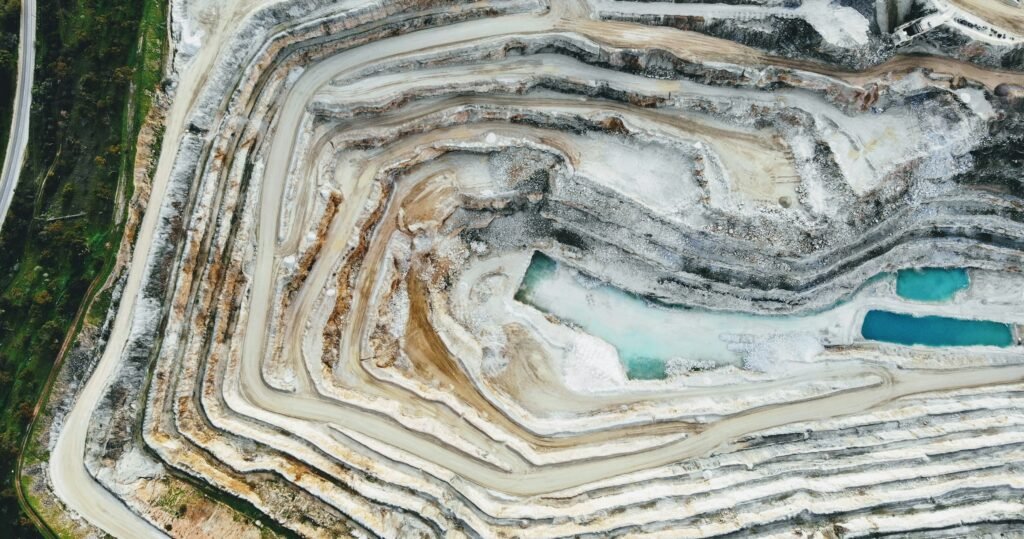
Mine closure is no longer something a Canadian mining company plans at the end of a mine's life. Every province and territory requires a closure or reclamation plan before production, financial assurance that the work will be paid for even if the operator fails, and periodic updates as the mine grows. The rules differ in important ways: Quebec requires a guarantee covering the full anticipated cost of restoration; Ontario has modernized its closure plan system to rely more on qualified persons and phased financial assurance; and British Columbia sets reclamation security through Mines Act permits. For buyers, lenders and boards, mine closure liabilities are among the largest contingent obligations on the balance sheet and a frequent source of transaction friction.
Mining is mainly a provincial and territorial responsibility, so closure rules come from provincial mining and environmental statutes. Federal law adds requirements for uranium mines (CNSC licensing and decommissioning guarantees), for effluent under the Metal and Diamond Mining Effluent Regulations, and for projects on federal or treaty lands. Insolvency law determines what happens to closure obligations if the operator fails, as discussed in our note on the Redwater decision.
What a closure plan must cover
Closure plans typically describe the site, every mining feature (pits, underground workings, waste rock, tailings facilities, buildings, roads), the rehabilitation measures for each, monitoring and maintenance after closure, and the estimated cost of carrying out the work. Plans must be updated when the mine changes materially. Regulators review or accept plans, and the financial assurance is calculated from the cost estimate.
Several themes run through modern plans: physical and chemical stability of tailings and waste, long-term water treatment, progressive rehabilitation during operations, post-closure land use agreed with communities and Indigenous Nations, and contingency for uncertainty. Long-term water treatment in particular can make closure costs open-ended, which is why regulators increasingly require perpetual-care funding mechanisms or trusts for sites that will need treatment for decades.
Mine closure rules compared
| Jurisdiction | Plan requirement | Financial assurance | Recent changes |
|---|---|---|---|
| Quebec | Rehabilitation and restoration plan approved under the Mining Act before a mining lease | Guarantee equal to the anticipated cost of the work for the whole site, paid in instalments after plan approval | Bill 63 (adopted November 2024) further strengthens restoration requirements |
| Ontario | Certified closure plan filed under Part VII of the Mining Act before advanced exploration or production | Financial assurance in approved forms; phased assurance tied to construction of new features | Building More Mines Act, 2023: qualified-person certification, conditional filing orders, deemed amendments |
| British Columbia | Reclamation programme in the Mines Act permit | Reclamation security set by the Chief Permitting Officer | Ongoing policy emphasis on full-cost security for major mines |
| Federal (uranium) | Decommissioning plan under the Nuclear Safety and Control Act | Financial guarantee acceptable to the CNSC | Reviewed with licence renewals |
Quebec's full guarantee rule
Quebec has the most demanding financial assurance regime. Since amendments in 2013, the Mining Act and the Regulation respecting mineral substances other than petroleum, natural gas and brine have required persons carrying out mining operations to provide a guarantee whose amount corresponds to the anticipated cost of carrying out the work in the rehabilitation and restoration plan, covering the whole mining site rather than only tailings areas. The 2013 regulatory amendments described the change as moving coverage from 70 per cent to 100 per cent of the cost and set a payment schedule in three instalments: 50 per cent within 90 days of approval of the plan, and 25 per cent on each of the next two anniversaries.
The plan must be approved, and the guarantee arrangements in place, before a mining lease is granted, so closure planning sits on the critical path for any new Quebec mine. Accepted forms of guarantee include cash, letters of credit, bonds and certain insurance or trust arrangements, subject to regulatory conditions. Quebec's November 2024 reform, Bill 63, aims to strengthen restoration requirements further to avoid increasing the province's inventory of abandoned mining sites, according to the government's announcement. Operators should check the regulations implementing that reform for any changes to forms, timing or scope.
Ontario's modernized closure plan system
Ontario regulates mine closure under Part VII of the Mining Act and the rehabilitation regulation and Mine Rehabilitation Code. A certified closure plan, with financial assurance, must be filed before advanced exploration or mine production begins. The Building More Mines Act, 2023 changed the system significantly. According to the Environmental Registry decision notice, the amendments:
- lay the groundwork for reliance on certifications by qualified persons instead of ministry technical review;
- allow the Minister, on request, to make a "conditional filing order" deferring certain elements of a closure plan, subject to conditions and deadlines;
- remove the need for a notice of material change for minor site alterations and allow certain administrative changes, such as the form of financial assurance or a change in ownership, as deemed amendments;
- codify phased financial assurance tied to the construction of new mining features; and
- broaden the definition of "rehabilitate" so that alternative post-closure uses or features may be permitted.
The amendments take effect as related regulations are made, and the ministry noted that consultation with First Nations continues where closure plan amendments trigger the duty to consult. Ontario operators should confirm which provisions are in force and how phased assurance schedules are documented, because failure to provide assurance on schedule allows the Minister to demand the outstanding amount.
British Columbia and the territories
In British Columbia, mine closure is managed through the Mines Act permit, which includes a reclamation programme and requires the permittee to provide security in an amount and form set by the Chief Permitting Officer. The Health, Safety and Reclamation Code sets reclamation standards, and permits are updated as mine plans change. Policy in recent years has emphasized that security for major mines should reflect the full cost of outstanding reclamation, including long-term water treatment, rather than a partial estimate. Operators should expect security to be reassessed at each major permit amendment and when new information about water quality emerges.
In the territories, closure obligations arise under territorial mining and water legislation and under licences issued by treaty-based boards. Water licences frequently carry their own security requirements, so a northern mine may hold several overlapping securities with different regulators. Because many northern sites are remote, cost estimates must reflect logistics, seasonal access and the possibility that a third-party contractor would need to mobilize from the south if the operator failed.
Forms of financial assurance
Regulators generally accept cash, irrevocable letters of credit from approved financial institutions, surety bonds and, in some regimes, other instruments such as reclamation trusts or insurance-based products. Each form has costs and risks. Letters of credit consume borrowing capacity; surety bonds depend on the surety's continued willingness and may require indemnities from the parent; cash is simple but expensive. Companies should match the form of assurance to their financing strategy and keep track of renewal dates, because an expired instrument can be treated as non-compliance.
Progressive rehabilitation and post-closure
Regulators encourage, and sometimes require, progressive rehabilitation: reclaiming disturbed areas while the mine is still operating. It reduces the outstanding liability, can lower financial assurance and demonstrates performance to communities. Companies should record progressive work carefully, with photographs, survey data and monitoring results, so that it is recognized in plan updates and assurance recalculations.
Post-closure obligations can last decades. Monitoring, water treatment and maintenance of dams and covers may continue long after production ends. Some jurisdictions allow sites to be returned to the Crown once rehabilitation is complete and stable, but the conditions for release are strict. Until release, the operator, and in some cases its successors, remain responsible. Mine closure planning should therefore include a realistic view of how long the company will hold the site and who will carry the obligations afterwards.
Financial assurance is often posted as letters of credit under corporate credit facilities. Check how those letters of credit are treated in borrowing base and covenant calculations, and what happens on a refinancing or change of control. A lapse can trigger regulatory enforcement and an event of default at the same time.
Transferring mine closure liabilities in M&A
Closure liabilities follow the asset. When a mine changes hands, the buyer usually assumes the closure plan and must replace the seller's financial assurance; the seller's security is released only once the regulator accepts the substitute. That creates timing and cost questions that should be addressed in the purchase agreement: who pays for replacement assurance, what happens if the regulator demands more than the seller had posted, and whether closing is conditional on release of the seller's security.
Due diligence should test the cost estimate behind the plan, not just the amount of assurance posted. Common issues include outdated estimates, unrecognized water treatment obligations, inaccurate inventories of mining features, and disputes with regulators about adequacy. Purchase price adjustments, specific indemnities and escrows are common tools for managing differences. Lenders financing an acquisition will want the same information and may require closure liabilities to be fully secured or reserved. Where a seller retains historic sites or tailings facilities outside the deal perimeter, the agreement should define precisely which liabilities transfer and include cross-indemnities, because regulators may still look to either party if responsibility is unclear. Our notes on mergers and acquisitions and distressed M&A discuss transaction structuring.
Directors and environmental liability
Directors and officers can face personal exposure where environmental orders are not complied with, depending on the statute. A board approving the sale or care-and-maintenance of a mine should understand the company's closure obligations and ensure compliance systems are in place; see our note on environmental offences and director liability.
Mine closure checklist
- Confirm the current approved plan, its cost estimate and the date of the last update.
- Reconcile financial assurance posted with the cost estimate and any phasing schedule.
- Identify long-term water treatment or perpetual-care obligations.
- Record progressive rehabilitation and seek recognition in assurance recalculations.
- Plan replacement assurance and regulatory consents for any sale or reorganization.
- Review consultation commitments and post-closure land use agreements with Indigenous Nations and communities.
This article is general information as of November 2026, not legal advice. For sector context, see our mining and critical minerals page.
How TRW & Co helps
We advise mining companies, investors, lenders and purchasers on mine closure obligations across Canada. We review closure plans and financial assurance in due diligence, negotiate purchase agreement protections and replacement security, structure assurance instruments within financing arrangements and advise boards on environmental compliance. Where a filing or opinion requires a lawyer licensed in the relevant province, we work with local counsel. To discuss a mine, portfolio or transaction, contact us.
Frequently asked questions
How much financial assurance does Quebec require for mine closure?
Quebec requires a guarantee whose amount corresponds to the anticipated cost of carrying out the work under the approved rehabilitation and restoration plan, covering the entire mining site. The 2013 amendments described this as moving from 70 to 100 per cent coverage and set payment in three instalments of 50, 25 and 25 per cent after plan approval.
What changed in Ontario’s closure plan system in 2023?
The Building More Mines Act, 2023 enabled reliance on qualified persons’ certifications instead of ministry technical review, introduced conditional filing orders deferring some plan elements, allowed deemed amendments for administrative changes, codified phased financial assurance and broadened the definition of rehabilitation. Provisions take effect as regulations are made.
Can a buyer take over a seller’s financial assurance?
Usually not directly. The buyer typically provides replacement assurance acceptable to the regulator, after which the seller’s security is released. Purchase agreements should allocate the cost of replacement, address any increase demanded by the regulator and make release of the seller’s security part of the closing mechanics.
What is progressive rehabilitation?
It is reclamation carried out during operations rather than after closure, such as re-vegetating waste rock areas or closing completed pits. It reduces the outstanding liability and can lower required financial assurance if recognized in plan updates. Regulators encourage it, and records of completed work are important for recalculations.
What happens to closure obligations if a mining company goes bankrupt?
Closure and environmental obligations generally remain attached to the site. Following the Supreme Court’s Redwater decision, regulatory obligations to remediate are often not treated as ordinary provable claims, so they can affect distributions to creditors. Financial assurance posted with the regulator is used to fund work if the operator fails.
Sources
- Gazette officielle du Québec — Draft Regulation amending the Regulation respecting mineral substances (13 Feb 2013)
- Environmental Registry of Ontario — Amendments to the Mining Act: Closure Planning
- Gouvernement du Québec — Adoption du projet de loi modifiant la Loi sur les mines (28 Nov 2024)
- Building More Mines Act, 2023, S.O. 2023, c. 6
General information only, not legal advice. References to statutes, courts and authorities describe published law and practice at the date shown.
 Energy, Mining & Environment
IESO Procurements: Ontario Electricity RFPs
IESO procurements award the long-term contracts that underpin new electricity supply in Ontario. This note explains LT1 and the LT2 windows, the new repowering route, long-lead-time… 8 min read
 Energy, Mining & Environment
Hydrogen Projects: Canada's Legal Framework
Hydrogen projects in Canada depend on a refundable federal tax credit tied to carbon intensity, provincial permitting and long-term offtake. This note explains the Clean Hydrogen… 8 min read
 Energy, Mining & Environment
Clean Technology, Clean Electricity and Hydrogen ITCs Compared
Canada's clean technology ITCs reward investment in low-carbon property, but they differ in rates, eligible taxpayers and conditions. This note compares the Clean Technology ITC (30%),… 8 min read